After years of supplying smart eyewear to retailers and wholesale clients across North America and Europe, I can tell you this straight: most people overthink how to use smart glasses. For basic audio models, the process is nearly identical to pairing wireless earbuds — charge, connect, and use the temple controls to manage calls and music.
Premium models with cameras and AI features do require a few extra steps, usually through a companion app, but you don’t have to set up every single function on day one. I always tell new customers to start with phone calls and music first, then play around with extra features once they’re used to wearing the frames. Most people end up only using 3 or 4 core functions on a regular basis anyway.
What is the purpose of smart glasses
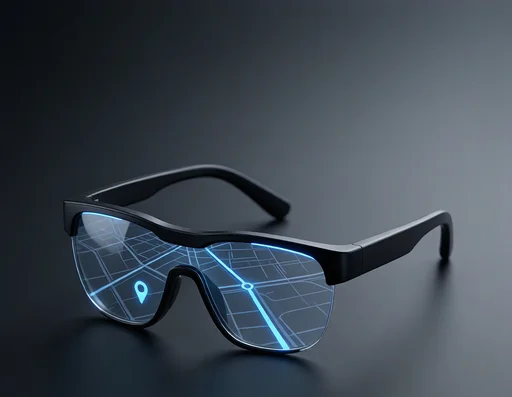
The core purpose of smart glasses is to build hands-free connectivity into regular eyewear, so you can take calls, listen to audio and get voice prompts without pulling out your phone or wearing separate earbuds.
For delivery drivers, field technicians and daily commuters, this isn’t a gimmick — it’s a practical safety and convenience tool. A lot of our B2B clients order smart audio glasses for their teams specifically to cut down on distracted driving. Office workers often pick clear blue light models to take work calls without wearing a headset all day. Outdoor users prefer polarized styles that replace regular sunglasses while adding audio.
That said, smart eye glasses aren’t for everyone. If you spend most of your day at a desk with your phone within arm’s reach, you probably won’t use them enough to justify the cost. The people who get the most value are those who already wear glasses or sunglasses every time they leave the house.
How to use smart glasses
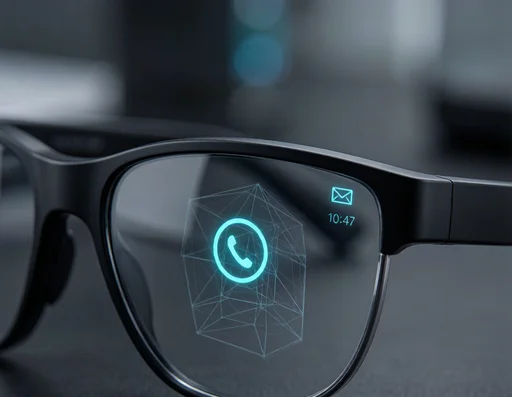
How you use your smart glasses depends on what model you have. Basic audio-only models work with three simple steps: charge the frames, power them on, and pair them to your phone via Bluetooth settings. You can then use physical buttons or touch pads on the temple to answer calls, adjust volume and skip tracks.
Branded models like ray-ban meta gen 2 smart glasses require an extra step: you have to download the Meta View app and sign into a Meta account to unlock camera features, voice assistant and firmware updates. A lot of new users get frustrated when they pair directly through Bluetooth and half the features don’t work — that’s usually why.
Our factory models are designed to work straight out of the box with no mandatory app. You still get full call and music control without creating an account or granting extra permissions, which is why they’re so popular with budget-focused resellers.
Are smart glasses the future
Audio-focused smart glasses are already a mature, practical product for daily use, but full consumer AR glasses that replace your smartphone are still years away from mainstream affordability.
From what I see in the industry, smart glasses ai features are improving the fastest. Offline translation, voice note transcription and hands-free controls are getting more reliable every year. When people ask me about the best smart glasses 2026 options, I tell them the biggest upgrades aren’t flashy holograms — they’re lighter frames, longer battery life and more natural-looking designs that blend in with regular eyewear.
Premium display models like ray-ban meta display smart glasses show where the tech is headed, but they’re still too expensive and too ecosystem-locked for most buyers. I don’t think smart glasses will ever fully replace phones, but I do expect them to become as common as wireless earbuds within the next five years. If you follow meta smart glasses news closely, you’ll notice most of the recent leaks point to better battery and lighter designs, not radical new AR features.
How to detect smart glasses
Most modern consumer smart glasses look almost identical to regular eyewear. You can usually only identify them by looking closely for tiny speaker grills, microphone holes or small camera lenses on the temple arms.
I get this question a lot from people concerned about privacy, and it’s a valid worry. Basic audio frames without cameras are extremely hard to spot — our clear office model, for example, looks just like standard blue light glasses even from a foot away. Camera-equipped models have a small visible lens on the front corner of the frame, but you have to be actively looking for it to notice.
This is exactly why some venues have restrictions. You may have seen that royal caribbean banned smart glasses in some onboard areas, specifically locker rooms and pool spaces where guests expect full privacy. Basic audio-only models are almost never restricted, but camera versions often are.
What are meta smart glasses used for
Meta smart glasses are built for hands-free calls, music playback, casual photo and video capture, and voice assistant access, with all features tightly integrated into the Meta social media ecosystem.
The biggest draw for most buyers is the ability to snap first-person photos or short videos without pulling out your phone. The ray-ban meta smart glasses features are designed to make social sharing fast and seamless, which is why the meta smart glasses ray ban line is so popular with younger buyers and content creators.
The tradeoff is that most advanced features only work when paired with the Meta View app and an active internet connection. If you lose phone service or don’t want to sign into an account, you’re left with only basic audio and call functions. That’s the main complaint I hear from wholesale customers who buy branded units — a lot of casual users don’t want to deal with mandatory app logins.
How to use samsung smart tv 3d glasses
Samsung Smart TV 3D glasses are designed exclusively for watching 3D content on compatible Samsung television sets — they are not wearable daily smart glasses and cannot be used for calls, music or phone connectivity.
A lot of people land on this search term by mistake, assuming they’re the same as smart audio eyewear. These TV glasses use active shutter technology to sync with your TV screen and create a 3D viewing effect. They have no built-in speakers, no microphone and no Bluetooth audio pairing. If you’re shopping for glasses you can wear on your commute to take calls, these are not the product you’re looking for.
How much does smart glass cost per square foot
Pricing per square foot applies to architectural smart glass for buildings and windows, which is a completely separate product from wearable smart eyewear. This is one of the most common search mix-ups we see.
Electrochromic smart glass, the most popular type that tints and clears with electrical power, is used for office windows, luxury home partitions and retail storefronts. Its price per square foot varies widely based on thickness, size, control systems and installation complexity. If you’re sourcing this type of product, you’ll need to contact a building materials supplier, not a smart eyewear factory.
How much does it cost to make smart glasses
Manufacturing costs for smart glasses range dramatically based on features. Basic audio frames are relatively affordable to produce, while premium models with cameras, AI chips and AR displays cost significantly more.
From our factory perspective, the biggest cost drivers are frame material, battery quality, speaker drivers and extra features like cameras or offline translation chips. Basic TR90 audio frames have a low hardware cost. The high price tags on big-brand models come mostly from licensing fees, marketing budgets and software development, not the physical components themselves.
You may have seen searches for meta oakley smart glasses or oakley meta smart glasses floating around online. As of now, there is no widely available mass-market co-branded line between the two brands, mostly just industry rumors. If and when one launches, it will almost certainly carry a steep premium price tag.
There’s also the mechanical mounting of camera modules in smart glasses to consider. Poorly placed cameras throw off weight balance, cause distortion and make frames uncomfortable to wear for long periods. Getting that placement right adds to production cost, but it’s one of the biggest differences between a quality model and a cheap uncomfortable one. For industrial use cases, safety glasses smart certified models also cost more due to impact resistance testing and safety certifications.
Mainstream Smart Glasses Feature Comparison
| Model | Core Function | Built-In Camera | Mandatory App | Prescription Support |
|---|---|---|---|---|
| ray-ban meta gen 2 smart glasses | Fashion + social capture | Yes | Yes | Paid official service |
| amazon echo frames smart glasses | Alexa voice integration | No | Yes (Amazon account) | Limited third-party |
| solos smart glasses | Fitness audio coaching | No | Yes | Limited |
| xiaomi smart glasses | Daily value audio | No | Partial | Very limited overseas |
Our Recommended Models By Use Case
| Model | Best For | Battery Life | Key Advantage | My Quick Verdict |
|---|---|---|---|---|
| YJ005-A04 | Office workers and remote teams | 5h | Clear frame, looks like regular glasses | Most discreet option for all-day office wear |
| YJ008-T3 | Daily commuters and drivers | 7–8h | Classic square polarized lenses | Best all-around value for everyday use |
| YJ007-K20 | Budget fashion-focused buyers | 5h | Classic pilot frame design | Top pick for price-conscious resellers |
| YJ-AR002 | International business travellers | 7–8h | Offline AI translation + camera | Worth the upgrade for frequent cross-border trips |
At the end of the day, my number one tip for new buyers is simple: pick a model that matches what you actually do every day, not the one with the longest feature list. If you just need hands-free calls on your drive to work, a basic audio frame will serve you better than an expensive premium model with a camera you’ll never use.
If you’re interested in our smart glasses series, feel free to get in touch with us. As an original manufacturer with full production capacity, we offer direct factory supply and customizable solutions to meet your business demands. We look forward to establishing long-term win-win cooperation with you.We offer a full range of smart glasses equipped with diverse functions tailored for all usage scenarios.