Schnelle Antwort: Before using a new power bank, inspect it, read its input and output ratings, confirm the correct charging port, and test it with one compatible device. You do not need to drain a modern lithium-ion pack to zero or run repeated “conditioning” cycles. A full charge before a long trip can be useful for checking that the bank and its display work, but the exact first-use steps should follow the model manual.
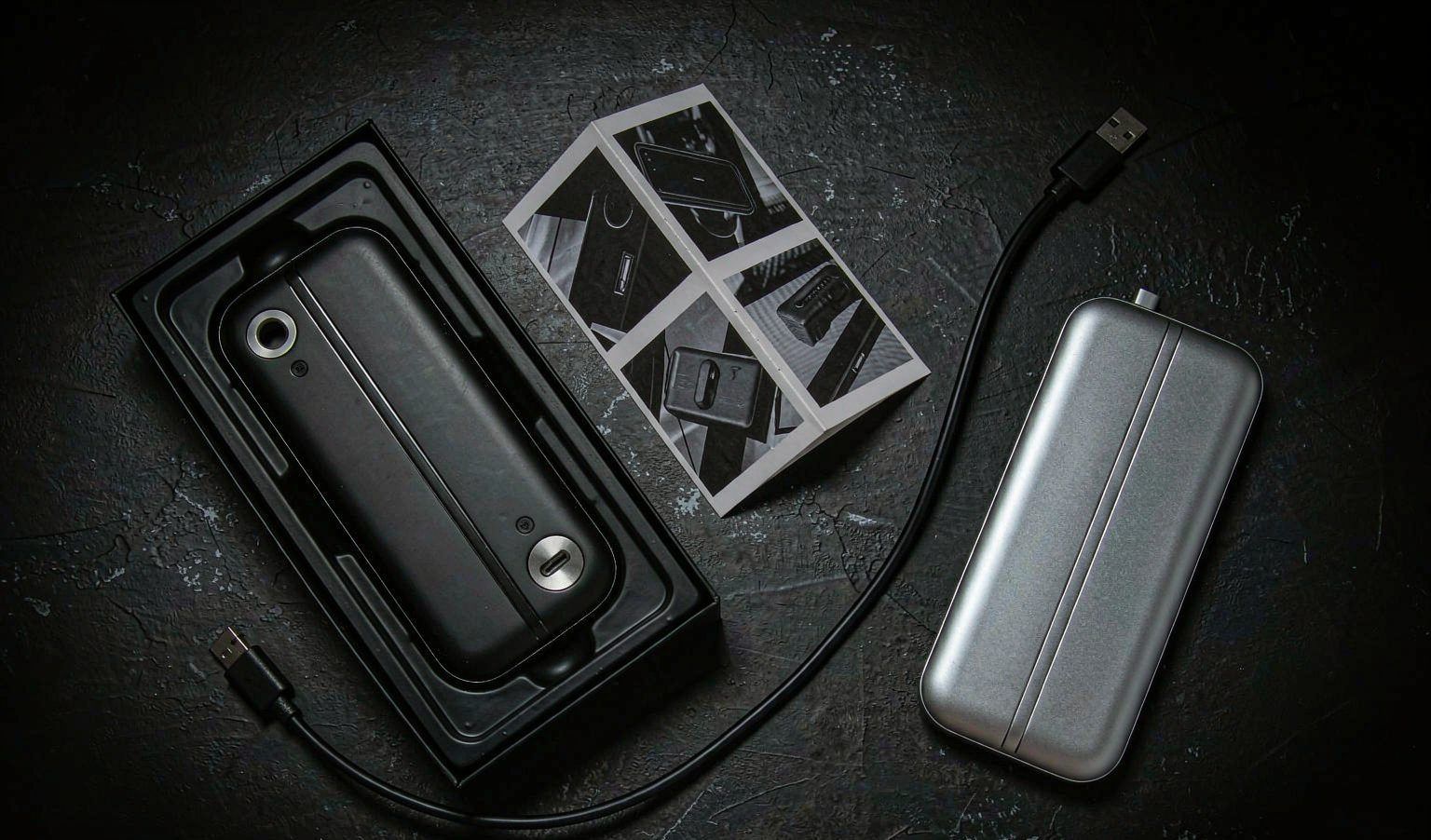
Beginnen Sie mit der Box, dem Etikett und der Bedingung
Keep the model number, order details and manual together. Look at the enclosure before connecting a charger: a cracked case, swelling, exposed internal parts, a damaged port, leakage or unusual heating is a reason to stop and contact the seller. Do not attempt a trial charge to see whether a suspect pack “recovers.” The FAAs Lithium-Batterie-Anleitung also warns against transporting damaged or recalled batteries that may spark or generate dangerous heat. For ordinary use at home, follow the maker’s safety instructions and local battery-disposal guidance.
Eine nicht volle Batterieanzeige ist kein Beweis dafür, dass ein Produkt verwendet wird. Produkte können teilweise aufgeladen ankommen; Der erste wichtige Schritt besteht darin, das Handbuch des jeweiligen Modells zu überprüfen und den normalen Betrieb zu überprüfen. Vermeiden Sie eine pauschale Regel, dass jede Fabrik jede Zelle zum gleichen Prozentsatz versendet. Auch die Langzeit-Lagerungsempfehlungen unterscheiden sich von dem, was für einen ersten Test zweckmäßig ist.
| Was zu überprüfen | Warum ist das wichtig? | Was zu tun |
|---|---|---|
| Modellnummer und Handbuch | Ports und Lichtmuster variieren | Passen Sie das Handbuch an das genaue Modell an, nicht nur die Marke |
| Gehäuse und USB-Buchsen | Transit damage can make charging unsafe | Stop if swollen, cracked, wet or visibly damaged |
| Capacity label | mAh and Wh describe different quantities | Read the stated voltage and Wh, not only the large front-panel number |
| Eingangsbewertung | steuert, wie die Bank auflädt | Wählen Sie einen kompatiblen Wandadapter und Kabel |
| Ausgangsbewertung nach Port | Steuert, welche Geräte Strom ziehen können | Überprüfen Sie die Anforderungen an das Telefon oder den Laptop und alle Grenzen für den gemeinsamen Port |
Identifizieren Sie den Eingang, bevor Sie etwas einstecken
Einige Powerbanks verwenden einen USB-C-Anschluss sowohl für den Ein- als auch den Ausgang. Andere haben separate Ports, und ältere Einheiten verwenden möglicherweise Micro-USB-Eingänge. Suchen Sie auf dem Produkt und dem Handbuch nach "In", "Out" oder "In / Out". Eine USB-C-Form selbst verspricht keine bestimmte Ladeleistung. Die Übersicht über die Power Delivery-Übernahme des USB-Implementierers erklärt, dass kompatible Geräte Strom über USB-C aushandeln; Beide Seiten und das Kabel müssen den verwendeten Modus unterstützen.
Use a reputable charger that offers a voltage/current profile accepted by the bank. A charger rated above the bank’s input limit does not force the bank to take that maximum when normal USB negotiation works. Equally, a high-power label on the Ausgang sagt Ihnen nicht, wie schnell die Bank selbst auflädt. Wenn der Ladevorgang unerwartet langsam ist, vergleichen Sie die Eingangsbewertung der Bank, den Adapterausgang, das Kabel, die Anzeige und die Umgebungstemperatur, bevor Sie zu dem Schluss kommen, dass die Zelle defekt ist.
Benötigt eine neue Powerbank eine volle Ladung?
No special priming cycle is required for modern lithium cells. Ankers Erstverwendungsrichtlinie Beschreibt eine einzelne volle Ladung als ausreichend und lehnt alte Batteriekonditionierungsrituale ab. Laden Sie die Packung für eine praktische erste Überprüfung gemäß ihrer eigenen Anleitung auf, bis ihre Anzeige oder ihr Lichtmuster die Fertigstellung anzeigt. Ziehen Sie es dann ab und verwenden Sie es mit einem kompatiblen Gerät. Dies bestätigt beide Richtungen des Stromflusses, bevor Sie sich auf die Bank von zu Hause aus verlassen.
There is also no universal need to empty the battery first. Deeply discharging it solely to “train” the cells adds a cycle without helping the chemistry. A percentage display may estimate charge imperfectly, especially when new or after long storage, but that does not justify claiming that every pack needs a complete discharge-and-charge calibration. Follow the manufacturer’s specific troubleshooting instructions if the indicator behaves oddly.
Führen Sie eine einfache Ausgabeprüfung durch
Use one phone or other USB device that charges normally with another charger. Connect it to the power bank’s output using a known-good cable, observe the device’s charging indicator, and wait several minutes. If nothing happens, try the power button if the manual describes one, then check another output port or cable. Do not compare phone percentage over a few minutes to a marketing “capacity” claim: the phone may be consuming power while charging, and its own charging curve changes as it fills.
For a laptop, first confirm that the laptop supports charging through the specific USB-C port. Then compare its accepted USB Power Delivery input with the bank’s output profiles and your cable rating. A bank that charges a phone does not necessarily meet a laptop’s voltage or wattage requirement. If two devices are attached, use the bank’s simultaneous-output table rather than adding individual port maxima.
| Symptom beim ersten Gebrauch | Erste Überprüfung | Nächster Schritt |
|---|---|---|
| Keine Anzeige, wenn die Bank an die Wand angeschlossen ist | Correct input port and working socket | Try a compatible adapter and cable; Lesen Sie das Modellhandbuch |
| Bankgebühren, aber Telefon nicht | Ausgangsanschluss, Netzschalter und Kabel | Testen Sie ein bekanntes Gerät und jeweils einen Port |
| Telefongebühren, Laptop nicht | USB-C-Ladeunterstützung für Laptop und PD-Profile | Überprüfen Sie die Kabelbewertung und den pro Port-Ausgang der Bank |
| Anzeige ändert sich schnell | Ob es sich um eine prozentuale Schätzung oder LED-Schritte handelt | Observe a normal charge cycle; contact support if behavior persists |
| Unusual heat, smell, swelling or visible damage | sicher abklemmen | Stop using it and contact the seller or qualified support |
Read capacity in watt-hours
Capacity in milliamp-hours only makes sense with a voltage. For illustration, 20,000mAh at a nominal cell voltage of 3.7V equals about 74Wh: 20Ah × 3.7V. This is stored cell energy, not a promise of 20,000mAh at the USB output voltage. Voltage conversion, heat and the receiving device’s charging behavior reduce delivered energy. The FAA likewise explains that watt-hours can be calculated from battery voltage times amp-hours. Use the actual label values rather than assuming every pack uses 3.7V.
Unsere 20.000mAh Solarenergiebank-Eintrag is an example to examine for stated capacity, input and output information. Compare it with the 20.000mAh 65W Auflistung to see why capacity and maximum output are separate buying decisions. These product pages are not measurements of how many phone charges a particular user will get; request the current label and model specification before purchasing in quantity.
Bewahren Sie es nach dem ersten Test auf
Halten Sie die Packung von direkter Sonne, heißen Fahrzeugen, Feuchtigkeit und Metallgegenständen fern, die freiliegende Steckverbinder berühren könnten. Verwenden Sie die für dieses Modell empfohlene Lagergebühr und das Prüfintervall. Anker’s power-bank safety guide, empfiehlt zum Beispiel eine Gebühr von ca. 60% für die Langzeitlagerung; Das ist eine herstellerspezifische Empfehlung, keine Regel für jede Batterie. Laden Sie vor einer Reise nach Ihren Bedürfnissen auf, überprüfen Sie den Fall und die Anschlüsse erneut und stellen Sie sicher, dass die Bank weiterhin ein Gerät auflädt.
Für Großhandelskäufer ist ein nützliches First-Use-Protokoll noch spezifischer: das Modell und die Produktionscharge des Musters aufzeichnen, das tatsächliche Etikett fotografieren, die Eingabe und Ausgabe unter einer definierten Last messen und das Herstellerhandbuch und den Prüfbericht aufbewahren. Dies schafft eine Grundlinie zum Vergleichen späterer Samples, ohne Leistungsansprüche aus einer einzelnen Prozentanzeige zu erfinden.