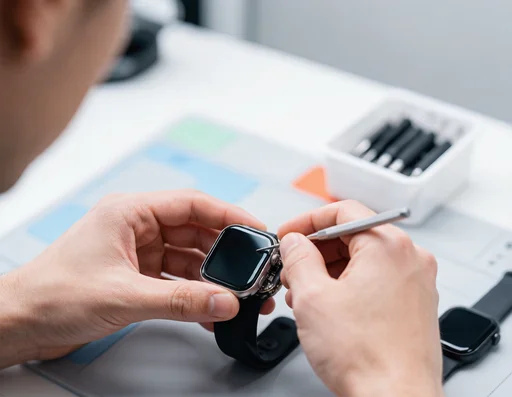
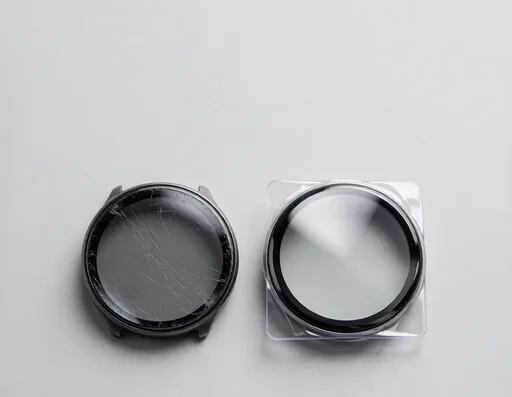
If you landed here searching for how to replace smart watch glass, you’re far from alone — we see this search term pop up all the time alongside smart glasses queries, and it’s easy to mix up wearable tech categories. Let me get the quick answer out of the way first: replacing cracked smart watch glass is almost always a professional repair job. Most modern smartwatches bond the glass cover directly to the display panel, so prying it off at home without specialized tools usually ruins the screen entirely. I’ve seen too many people try this with a razor blade and end up needing a full replacement. You’re better off going through the brand’s official repair service or a trusted local tech shop for that kind of work.
If you’re actually here to learn about smart eyewear — from AR functionality to pricing to alternatives to big-brand models — you’re in the right place. After years of supplying wholesale smart glasses to retailers across North America and Europe, I’ve heard every question under the sun about these devices. Below I’m breaking down all the most common queries we get, straight from real customer conversations.
How much are the new smart glasses
This is easily the most common question I get from new buyers, and there’s no one-size-fits-all answer — pricing runs the full gamut from budget entry-level picks to premium AR models. Entry-level smart audio glasses are the most accessible, priced similarly to a decent pair of polarized sunglasses. These focus entirely on hands-free calls and music, with no camera or fancy AI features. They’re perfect for casual daily use and commuters who don’t need extra bells and whistles. Mid-range models step up to better build quality, longer battery life and features like photochromic lenses or magnetic lens swapping. These sit in a moderate price bracket, and they’re our best-selling category for everyday retail buyers. Premium branded models like ray-ban meta gen 2 smart glasses cost significantly more, and the price goes up even more if you add prescription lenses or official accessories. High-end display AR models are the priciest of all, since the projection hardware adds a lot to manufacturing costs. One quick side note: if you see electrochromic smart glass priced per square foot, that’s architectural window glass, not wearable eyewear. It’s a totally different product category, same name.
What does ray ban smart glasses do
I get this one all the time from people who’ve only seen the ads and aren’t sure what the actual day-to-day functions are. The short answer: a lot more than just play music, but not quite as much as full AR headsets. At their core, meta smart glasses ray ban models are stylish eyewear with built-in open-ear speakers and microphones. You can take hands-free calls, listen to music and podcasts, and get turn-by-turn navigation audio without wearing earbuds. The big differentiator from basic audio glasses is the built-in camera. You can snap photos and record short videos with a quick tap or voice command, which is great for hands-free moments when you can’t pull out your phone. The full ray-ban meta smart glasses features list also includes voice assistant access, social media sharing integration and firmware updates through the Meta View app. Just keep in mind: most of the smart features rely on pairing to your phone over Bluetooth. They don’t work as a fully standalone device. Also, camera-equipped models come with privacy rules to follow — you may have heard that royal caribbean banned smart glasses in some onboard areas, and that’s exactly why. Private spaces like locker rooms and pools don’t allow wearable cameras, no matter what brand they are.
What is ar smart glasses
AR smart glasses are wearable eyewear that overlay digital information — like text, notifications, navigation arrows or translation text — onto your real field of view, without blocking your vision entirely. A lot of people confuse full AR glasses with basic smart eye glasses that only do audio. The key difference is the display: true AR glasses have some form of built-in projection that puts digital content right in your line of sight. Basic audio smart glasses have no display at all. Right now, consumer AR glasses are still pretty early in their lifecycle. Most affordable models only have very basic display features, like showing notifications or simple turn-by-turn directions. Full immersive AR that works everywhere is still mostly in enterprise and industrial models, not everyday consumer pairs. From all the meta smart glasses news and industry updates I see, smart glasses ai features are improving faster than the display hardware itself. Offline translation, voice transcription and object recognition are all getting more reliable every year, even on models without full AR displays.
What smart glasses have a display
If you’re specifically looking for smart glasses with a built-in display, your options are a lot more limited than basic audio models — but there are still solid picks on the market. The most well-known consumer option right now is ray-ban meta display smart glasses. These add a small, subtle display overlay to the classic Ray-Ban frame design, so you can see notifications, navigation prompts and camera previews without pulling out your phone. They’re still fairly new, and they carry a premium price tag, but they’re one of the most polished consumer display models available today. Beyond Meta, there are a handful of other brands making display smart glasses, mostly targeting enterprise and industrial users. Safety glasses smart certified models with built-in displays are popular for field technicians, warehouse workers and inspection teams, since they can overlay work instructions and data right in the worker’s field of view. For everyday consumer use, most people still don’t need a display model. Basic audio models cover 90% of daily use cases for a fraction of the cost. I always tell buyers to only spring for a display model if you know you’ll actually use the overlay features regularly.
Are there other smart glasses besides meta
Absolutely — and this is one of the biggest misconceptions I run into. A lot of people think Meta is the only brand making smart glasses, but there are dozens of options at every price point, for every use case. For Alexa ecosystem users, amazon smart glasses — specifically amazon echo frames smart glasses — are a solid pick. They integrate fully with Alexa for voice commands, smart home controls and audio, with no camera if you prefer to avoid privacy concerns. For fitness and outdoor sports, solos smart glasses are a popular branded option, built specifically for runners and cyclists with workout coaching features. For budget buyers, there are plenty of reliable factory-direct models (ours included) that deliver solid audio and call quality without the brand markup. Options like g1 smart glasses and other entry-level models work great for casual first-time users who don’t want to spend a lot. You may also see rumors floating around about meta oakley smart glasses or oakley meta smart glasses for sports use. As of right now, there’s no widely available mass-market co-branded model — most of what you’ll see is just meta smart glasses leak posts and industry rumors. And of course, there are all the enterprise and industrial brands making AR and safety-focused smart glasses that never hit the consumer retail market. Long story short: Meta is the biggest consumer brand, but they’re far from the only option.
How to record on smart glasses
If you have a camera-equipped pair of smart glasses, recording video or taking photos is usually pretty straightforward — but the exact steps depend on your model. For ray-ban meta gen 2 smart glasses, you control recording through either the touch pad on the temple or a voice command. You can say “Hey Meta, take a photo” or “Hey Meta, record a video” to start capturing hands-free. You can also press and hold the touch pad to start recording. For our factory camera models like the YJ-AR002, you use a dedicated physical button on the temple arm to take photos or start and stop video recording. I personally prefer physical buttons for recording, because it’s easier to feel for them without looking, and you don’t accidentally trigger it by adjusting your glasses. A few quick important notes about recording with smart glasses: First, always follow local privacy laws. Recording people without their consent is illegal in many places, even in public. Second, be mindful of venue rules — as I mentioned earlier, a lot of public spaces, cruise ships and gyms ban camera-equipped smart glasses for privacy reasons. Also, one thing most people don’t think about: the mechanical mounting of camera modules in smart glasses makes a huge difference in recording quality. A poorly mounted camera will take tilted, awkwardly angled videos that are almost unusable. We test every batch of our camera models to make sure the angle is natural and matches what you actually see with your eyes.
Is apple working on smart glasses
This is one of the most rumored products in the entire wearable tech space. Short answer: yes, Apple has been working on smart glasses technology for years, but there’s still no official release date or confirmed specs for a consumer model. From all the industry reports and supply chain news I see, Apple’s smart glasses project has gone through several iterations and delays. There’s no telling when — or if — they’ll launch a mass-market consumer pair. If you’re an iPhone user waiting for an official Apple smart glasses release, my advice is don’t hold your breath. Current mature smart glasses models work perfectly well with iPhones over Bluetooth for calls and audio. You don’t need a first-party Apple pair just to use smart glasses with your phone. Looking ahead to the best smart glasses 2026 lineup, we’ll likely see more brands entering the display AR space, better battery life and more reliable offline AI features — whether Apple launches a model or not.
Mainstream Smart Glasses Feature Comparison
表格
| Model | Built-in Display | Camera | Mandatory Ecosystem | Price Tier | Best For |
|---|---|---|---|---|---|
| ray-ban meta display smart glasses | Yes (subtle overlay) | Yes | Meta account required | High | Fashion + social content creators |
| amazon echo frames smart glasses | No | No | Amazon / Alexa | Mid-High | Alexa smart home power users |
| solos smart glasses | No | No | Fitness app ecosystem | Mid | Runners and regular cyclists |
| g1 smart glasses | No | No | None | Entry | Casual first-time trial users |
Our Top Factory Smart Glasses Picks
| Model | Frame Style | Battery Life | Standout Feature | I Recommend It For |
|---|---|---|---|---|
| YJ010 | Classic square frame | 5–6h | Upgraded hi-fi audio drivers | Music lovers, daily commuters |
| YJ007-K27 | Pilot metal frame | 5.5h | Prescription lens compatible, timeless design | Business users, driving commuters |
| YJ003 | Sporty durable frame | 4–5h per battery | Detachable swappable batteries | Long outdoor days, field workers, frequent travellers |
| YJ-AR002 | Premium AR frame | 7–8h | Offline AI translation + hands-free camera | International business travellers, content creators |
At the end of the day, my advice to every first-time buyer is the same: start with what you actually need, not what sounds flashy. If you just want hands-free calls and music on your commute, a basic pair of smart audio glasses will serve you far better than an expensive premium model with a camera and display you’ll never use. If you travel internationally for work, the upgrade to an AI translation model is absolutely worth it. And just one last quick note for parents: there’s very little infant smart glasses peer reviewed research on the effects of wearable audio glasses on young children’s developing eyes and hearing. We don’t make smart glasses for infants or toddlers, and I always recommend sticking with regular UV-protective sunglasses for young kids.
If you’re interested in our smart glasses series, feel free to get in touch with us. As an original manufacturer with full production capacity, we offer direct factory supply and customizable solutions to meet your business demands. We look forward to establishing long-term win-win cooperation with you.We offer a full range of smart glasses equipped with diverse functions tailored for all usage scenarios.