What Do Meta Smart Glasses Do
Quick answer: Meta smart glasses do three things well — they play audio, take calls, and capture photos and video through a built-in camera, all from a frame that looks like a normal pair of sunglasses. The new meta launched two new $499 prescription smart glasses models that push this further, but the everyday story is audio plus a camera you wear.
In my experience talking with buyers, most people come to “what do meta smart glasses do” already assuming the glasses are some kind of sci-fi screen on your face. They’re not, and getting that expectation right is the whole game. Let me walk you through what these actually do, what they don’t, and whether the hype matches the reality.
Here’s the honest breakdown:
- They’re an audio wearable first. Bluetooth playback, phone calls, voice assistant activation. This works without a companion app for the core stuff.
- They have a camera. Photos and short video clips, captured from your line of sight, hands-free.
- They lean on your phone. The smarter the feature, the more it depends on the Meta View app and your account. Offline, the glasses are much simpler.
So when someone asks me “what can the meta smart glasses do,” I tell them the same thing: expect a great audio companion with a camera, not a wearable computer that replaces your phone.
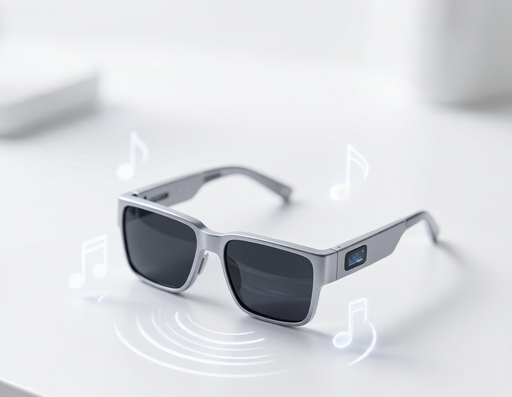
What Do Ray Ban Smart Glasses Do
Ray-Ban Meta is the fashion-forward line of Meta’s smart glasses, and it does the same core job — audio, calls, and a camera — wrapped in iconic Ray-Ban styling. The “smart glasses meta” and “ray ban meta gen 2 smart glasses” names point at the same family, just different generations and frame shapes.
From what I’ve seen across the industry, the Ray-Ban collaboration is what finally made smart glasses look like normal sunglasses instead of tech gadgets. People wear them because they look good first and happen to have tech inside. The generation 2 frames tightened the camera quality and audio, which is why “ray ban meta gen 2 smart glasses” gets so much search traffic.
The important detail for shoppers: these lean heavily on the Meta View app and a Meta account. The ray ban meta smart glasses price reflects that premium ecosystem, not just the hardware. If you’re comparing against a camera-free audio frame, you’re comparing two different categories.
What Are Ray Ban Smart Glasses
Ray-Ban smart glasses are sunglasses with built-in audio and a camera, made in partnership with Meta, and sold under the Ray-Ban Meta name. They look like classic Ray-Ban frames but hide microphones, speakers, and a camera in the temples.
Here’s what separates them from a plain audio frame: the camera. That’s the feature that changes the privacy conversation. Camera smart glasses are banned in places like gyms, cruise ships, and exam halls — for example, Royal Caribbean restricts camera glasses in certain onboard areas. If you mostly want hands-free calls and music without the camera complication, a camera-free audio frame is the calmer choice.
For prescription users, smart prescription glasses are absolutely available — Ray-Ban Meta offers prescription lenses through a paid official service, and our own line supports prescription frames directly. That’s a common point of confusion, so it’s worth flagging early.
How Do Ray-Ban Meta Smart Glasses Work
Ray-Ban Meta smart glasses work by packing a small audio module and camera into the frame, then connecting to your phone over Bluetooth for the smart features. The hardware on your face handles sound and capture; the app handles the intelligence.
In plain terms, here’s the flow:
- Pair once through the Meta View app (that’s the “how to pair ray-ban meta smart glasses with phone” step everyone asks about).
- Use the glasses standalone for music and calls via Bluetooth.
- Use the app for camera media management, AI features, and firmware updates.
The catch buyers rarely think about: the “smart” part mostly lives in your phone and the app. The more AI and camera features you want, the more the glasses depend on being connected. That’s not a flaw — it’s just how the current generation is built, and it’s the same trade-off across the industry.
How Do Smart Zoom Glasses Work
Smart zoom glasses are a niche idea — glasses with optics that magnify — and they work very differently from audio or camera smart glasses. Most of what’s marketed as “smart zoom” today is either an AR display concept or a specialty vision product, not a mainstream wearable.
This is where the category confusion does real damage. People search “how do smart zoom glasses work” and land on camera glasses, then expect magnification they’ll never get. If you genuinely need adjustable magnification, that’s an optical product, not an audio wearable. And if you want the everyday useful stuff — music, calls, hands-free capture — that’s a standard smart frame.
My advice: match the tool to the job. Don’t buy a “smart zoom” label hoping for magnified vision when a plain audio frame plus your reading glasses solves the actual problem.
How Much Do Smart Glass Windows Cost
Smart glass windows are a completely different product from smart glasses — they’re electrochromic building glass, and they cost hundreds of dollars per square foot, not per pair. This is the single most common search mix-up in this whole niche, so let’s settle it cleanly.
Here’s the distinction, because it matters a lot for anyone searching either term:
| Category | What it is | Rough price | Who buys it |
|---|---|---|---|
| Wearable smart glasses | Audio/camera frames you wear | $99–$500+ per pair | Consumers, B2B buyers |
| Electrochromic smart glass | Building/window glass that tints | $100–$300+ per sq ft | Architects, homeowners |
If your search was about the building material, you’re in the wrong place — that’s a construction product, not a wearable. If you meant the glasses you wear, keep reading, because that’s what this site is actually about.
And on the related pricing question, “how much is smart glass” in the wearable sense is answered honestly below with real anchors.

What Can the Meta Smart Glasses Do — Real Price Anchors
Let me give you honest price anchors for the “ray ban meta smart glasses price” question, because that’s what most people actually want to know. The number changes with generation and whether you add prescription lenses.
Here’s the landscape as it stands:
- First-generation Meta smart glasses have dropped to their lowest prices on retail — the “meta’s first-generation smart glasses are now at their lowest price” headlines reflect real markdowns.
- Meta ray-ban smart glasses are on sale for black friday periodically, which is a genuine window to buy at a discount.
- New flagship launches, including the $499 prescription models, sit at the premium end.
From a manufacturing view, I can tell you the premium is mostly ecosystem and brand. The same class of audio module can power a frame that wholesales for far less when you buy direct from a manufacturer. For B2B buyers stocking a line, that’s the smart money move: spec the features you need, skip the brand markup.
Mainstream Smart Glasses Compared
Here’s how the well-known names line up on price and features, without the marketing spin. Use this to anchor your own decision:
| Model | What you get | Price positioning | Catch |
|---|---|---|---|
| Ray-Ban Meta Gen 2 / Skyler | Camera + audio, fashion frame | High (premium) | Prescription via paid service; app and account required |
| Amazon Echo Frames | Alexa voice, audio, no camera | Mid-high | Tied to Amazon account |
| Solos Airgo 3 | Sports audio with coaching | Mid | Niche fitness use |
| Even G1 / G2 | Basic audio, budget | Low | No official prescription support |
| Samsung / Apple smart glasses | Rumor / developer stage only | N/A | Not mass-produced consumer models |
And for the smart display side of the question — “smart glass display” is another term that gets tossed around loosely. A micro-display HUD is a high-end, app-dependent feature found only in premium AR flagships. Most everyday smart glasses don’t have a screen at all, and that’s a feature, not a bug: no screen means less battery drain and fewer privacy questions.
Bottom Line
Meta smart glasses are a wearable audio companion with a camera, wrapped in fashion frames and tied to a phone app. They’re genuinely useful — calls, music, hands-free capture — but they’re not a phone replacement, and the premium is mostly ecosystem and brand.
If you’re stocking a line or buying for daily use, the smart move is to match features to your real needs: camera or camera-free, prescription or not, budget or premium. A camera-free audio frame covers most people’s daily needs at a fraction of the cost.
A Camera-Free Alternative Worth Considering
If the Meta ecosystem feels heavier than you need, our YJ005-A02 transparent frame covers the everyday essentials — music, calls, and a voice assistant — with no camera, no mandatory app, and no account. For buyers who want the AI-camera experience instead, our YJ-AR002 flagship adds an onboard camera with offline translation. Both ship factory-direct, so you skip the retail markup.
If you’re interested in our smart glasses series, feel free to get in touch with us. As an original manufacturer with full production capacity, we offer direct factory supply and customizable solutions to meet your business demands. We look forward to establishing long-term win-win cooperation with you. We offer a full range of smart glasses equipped with diverse functions tailored for all usage scenarios.