What Is Smart Glasses Technology — and Why the Price Gap Is So Wide
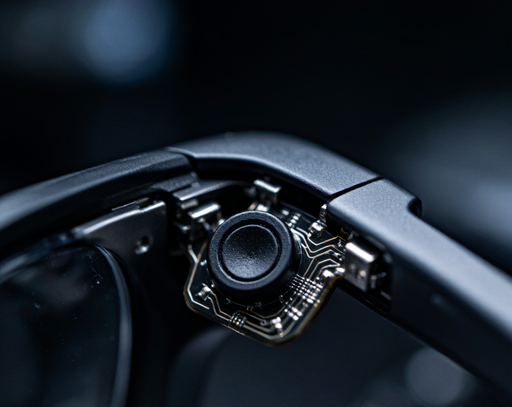
Quick answer: smart glasses technology is audio plus computing packed into a normal-looking frame, and the cost depends almost entirely on how much of that computing lives inside the frame. A basic audio pair that plays music and takes calls runs far less than a camera-and-display flagship, because the hardware inside is completely different.
Here’s the thing most first-time buyers miss. When people ask me “how much does smart glasses cost,” they’re usually comparing the wrong things. A $99 pair and a $1,499 pair are not the same product in cheap and expensive versions — they’re different tiers of technology entirely.
The basic tiers break down like this:
- Entry audio glasses — Bluetooth playback, calls, voice assistant. No camera, no display, no app required for core use. This is where most affordable smart glasses live.
- Mid-range with extras — better drivers, maybe a camera-free design that prioritizes privacy, longer battery, prescription-ready frames.
- Flagship camera/AI models — onboard camera, sometimes a micro-display, AI features. These lean heavily on a companion app and your phone’s connection, and they cost the most.
That’s why a “cheap smart glasses” search gives you such wildly different results. You’re not comparing prices; you’re comparing engineering.
So How Much Do Smart Glasses Actually Cost?
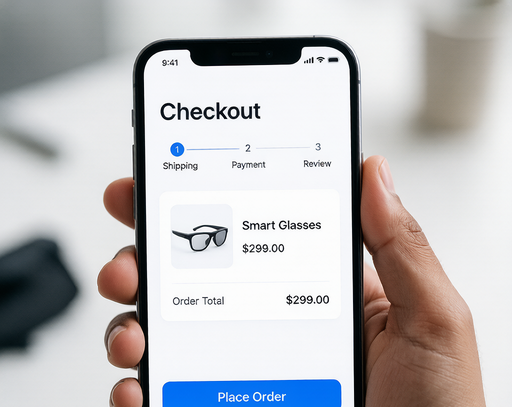
Let me put real anchor points on it, because “how much does smart glasses cost” deserves an actual answer, not a hedge. Based on what’s on the market and what we see across our own production runs:
- Budget audio smart glasses: roughly $99–$200 at retail. You get solid music and call features, no camera, usually no prescription support.
- Mid-range (camera-free, privacy-focused, better build): $200–$450.
- Premium camera/AI flagships like Ray-Ban Meta: typically $299–$500+, and prescription lenses add more on top of that.
And here’s a pricing reality most shoppers don’t know: the biggest part of that premium isn’t the hardware. It’s the brand, the app ecosystem, and the marketing. When you buy a flagship, part of what you’re paying for is software you may not even use.
From a manufacturing side, I can tell you the same core audio module that powers a $300 retail pair can power a frame that wholesales for a fraction of that. That’s not a knock on any brand — it’s just how the supply chain works. For B2B buyers especially, this is where the smart money is: buy direct from a manufacturer, spec the features you actually need, and skip the brand markup.
Mainstream Smart Glasses Compared by Price and Features
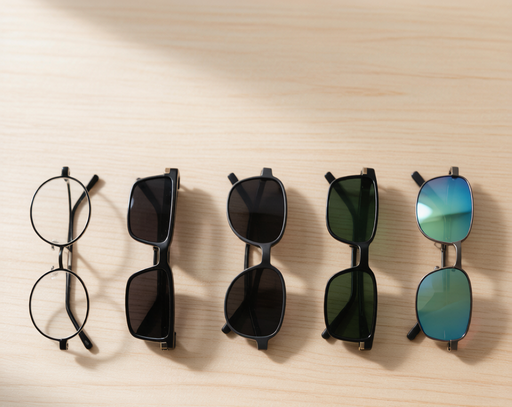
Before you decide, it helps to see the landscape. Here’s how the well-known names line up on price and core features — the facts as they stand, without hype:
| Model | What you get | Price positioning | Catch |
|---|---|---|---|
| Ray-Ban Meta Gen 2 / Skyler | Camera + audio, fashion-first frame | High (premium) | Prescription requires paid official service; features lean on Meta View app and account |
| Amazon Echo Frames | Alexa voice, audio, no camera | Mid-high | Tied to Amazon account; best for Alexa users |
| Solos Airgo 3 | Sports audio with voice coaching | Mid | Niche fitness use, not everyday |
| Even G1 / G2 | Basic audio, budget price | Low | No official prescription support |
| Samsung / Apple smart glasses | Rumor and developer-stage only | N/A | Not mass-produced consumer models yet — do not treat as available |
And on the “what happened to smart glasses” front — the category has a long history. Google Glass and early AR headsets came and went, and that left a lot of people skeptical. What changed is that audio-first frames finally made smart glasses something you’d actually wear all day. That’s the segment that’s growing now, and it’s where the value sits for most buyers.
Is Apple Developing Smart Glasses? (And Who Else Is Really Shipping)
Straight answer: Apple has not shipped a consumer smart glasses product, and neither has Samsung. There’s ongoing R&D and developer-stage work, but you can’t buy a mass-produced Apple or Samsung smart glasses model today. Treat any claim otherwise as speculation.
What is real and shipping right now, in volume, is the audio-first segment — and this is where the actual choices are. If you want a camera, Ray-Ban Meta and a few others are your mainstream options. If you want everyday audio glasses that look like normal eyewear and don’t demand an app ecosystem, that’s a crowded, competitive field — which is good news for your wallet.
For B2B buyers, this matters even more. If you’re stocking shelves, you don’t want to bet your inventory on a brand rumor. You want proven, shippable product from a supplier who can do private labeling and support you on after-sales. That’s where working directly with a manufacturer like us changes the math entirely.

How to Connect Smart Glasses to Phone — and Why Setup Shouldn’t Be a Dealbreaker
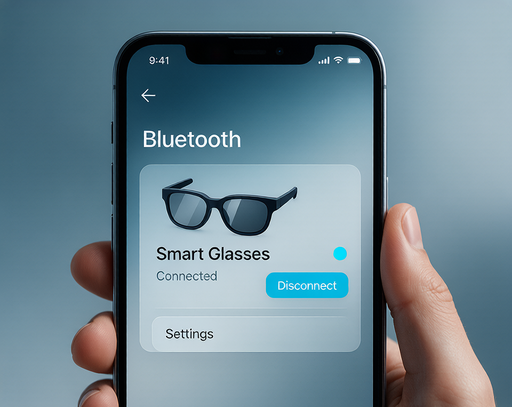
Real talk: connecting smart glasses to a phone is easy — you pair them over Bluetooth like any earbuds, and on most audio models that’s genuinely all it takes. No app, no account, no complicated dashboard. Open your phone’s Bluetooth settings, select the glasses, and you’re done in about thirty seconds.
The catch comes with camera and AI flagships. Those genuinely need their companion app, a login, and usually a phone connection to get the most out of them. If you buy a flagship expecting it to work fully offline, you’ll be disappointed.
So when you’re weighing “how much does smart glasses cost,” factor in the ecosystem tax, not just the sticker price. A simple audio frame that connects instantly and works with any phone can be the smarter buy — especially for older users, kids, or anyone who doesn’t live inside a single brand’s app world. It’s one more reason I steer a lot of my wholesale customers toward camera-free, app-free models for the mass market.
Can You Tell If Someone Is Wearing Smart Glasses? (Privacy, in Plain Terms)
Most of the time, no — and that’s exactly why camera-equipped smart glasses are getting banned in places. On audio-only models, there is essentially nothing to spot; they look like normal glasses. Camera models are where it gets noticeable, and that’s precisely why venues have reacted.
A few places you’ll see camera smart glasses restricted: gyms, exam halls, and cruise ships. Royal Caribbean, for instance, has banned camera smart glasses in certain onboard areas. It’s a privacy reaction, not a technical one. If you care about privacy — your own or the people around you — a camera-free smart glasses design is the practical, considerate choice.
This is also a differentiator worth paying attention to, not just a price point. As a manufacturer, I can tell you camera-free audio frames are the segment where “smart glasses” stopped being a gimmick and became a daily accessory people actually wear to work, commute, and travel.

Smart Glasses for Different Budgets: Our Factory Picks
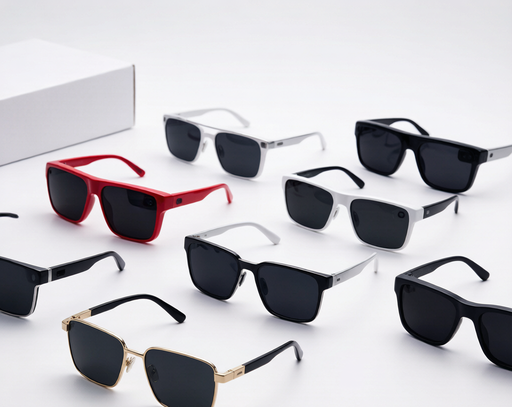
Now the practical part. Here’s how we’d actually match smart glasses to real budgets and real use cases — straight from our own YJ/TW lineup, which wholesales at prices that undercut retail brands while keeping prescription-ready and privacy-friendly options:
| Scenario | Best pick | Why |
|---|---|---|
| Daily commute & office | YJ005-A02 transparent minimalist frame | Looks like normal glasses, light, app-free, all-day comfort |
| Sport & outdoor | YJ006 sports frame | Anti-slip nose pads, sweat-sealed, polarized UV400, 6h battery |
| Long-haul driving & fashion | YJ007-K28 pilot metal frame | Wide field of view, gradient lenses, 5.5h |
| Women, everyday driving | YJ008-C cat-eye TR frame | Polarized lenses, 7–8h battery |
| Near-sighted users | YJ009-M2 magnetic dual-lens | Swap clear/polarized, prescription-supported, 7–8h |
| Indoor–outdoor switching | YJ011-A03 photochromic | Auto-darkening in sunlight, 4–5h |
| Travel without charging | YJ003 detachable battery | Swap batteries on the go, 4–5h per cell |
| International travel / creators | YJ-AR002 AI flagship | On-device offline translation, built-in camera, 7–8h |
| Students & budget buyers | TW201 square youth frame | Hall-sensor auto on/off, multiple colors, 4–6h |
The point of the table isn’t to sell you a specific model — it’s to show that smart glasses pricing only makes sense once you match the product to the person. A $400 flagship is a bad deal if all you need is music and calls. A $99 frame is a bad deal if you need prescription support and all-day battery. Get the feature set right first, and the price takes care of itself.
The Bottom Line: What Should You Actually Pay for Smart Glasses?
Here’s my honest closing take. Smart glasses cost anywhere from $99 to $500+, and you should decide based on features, not brand hype. For most everyday users — music, calls, comfort, looking normal — a mid-range or even budget audio pair is plenty, and going camera-free keeps you privacy-safe in more places. For near-sighted buyers, make sure the frame supports prescription lenses; that’s a feature, not a premium. For businesses, buy direct from a manufacturer to skip the retail markup and protect your margins.
The “what happened to smart glasses” story has a happy ending: the audio-first generation finally made this a wearable people use daily. You don’t need to overpay for the future. You just need the right pair for your life.
If you’re interested in our smart glasses series, feel free to get in touch with us. As an original manufacturer with full production capacity, we offer direct factory supply and customizable solutions to meet your business demands. We look forward to establishing long-term win-win cooperation with you. We offer a full range of smart glasses equipped with diverse functions tailored for all usage scenarios.